FP&A & Financial Data Modeling
Build financial reports and models that support financial statements, variance analysis, budgeting, and AR tracking.

Your Financial Data Isn't Working Hard Enough
Budget-vs-actual reports arrive two weeks after close. Forecasting lives in a spreadsheet that one person understands. Variance analysis is a manual exercise that eats up days. Your financial performance reporting should surface answers, not create more work — it just needs a better framework to deliver them.
Financial Models That CFOs Actually Use
Forecasting Models
Dynamic forecasting that adapts to your business — not rigid templates that break when reality shifts.
Variance Analysis
Automated variance reporting that highlights what matters and surfaces insights leadership needs.
Financial Consolidation
Multi-entity reporting and consolidation that produces board-ready financials on demand.
From Spreadsheet Chaos to Financial Clarity
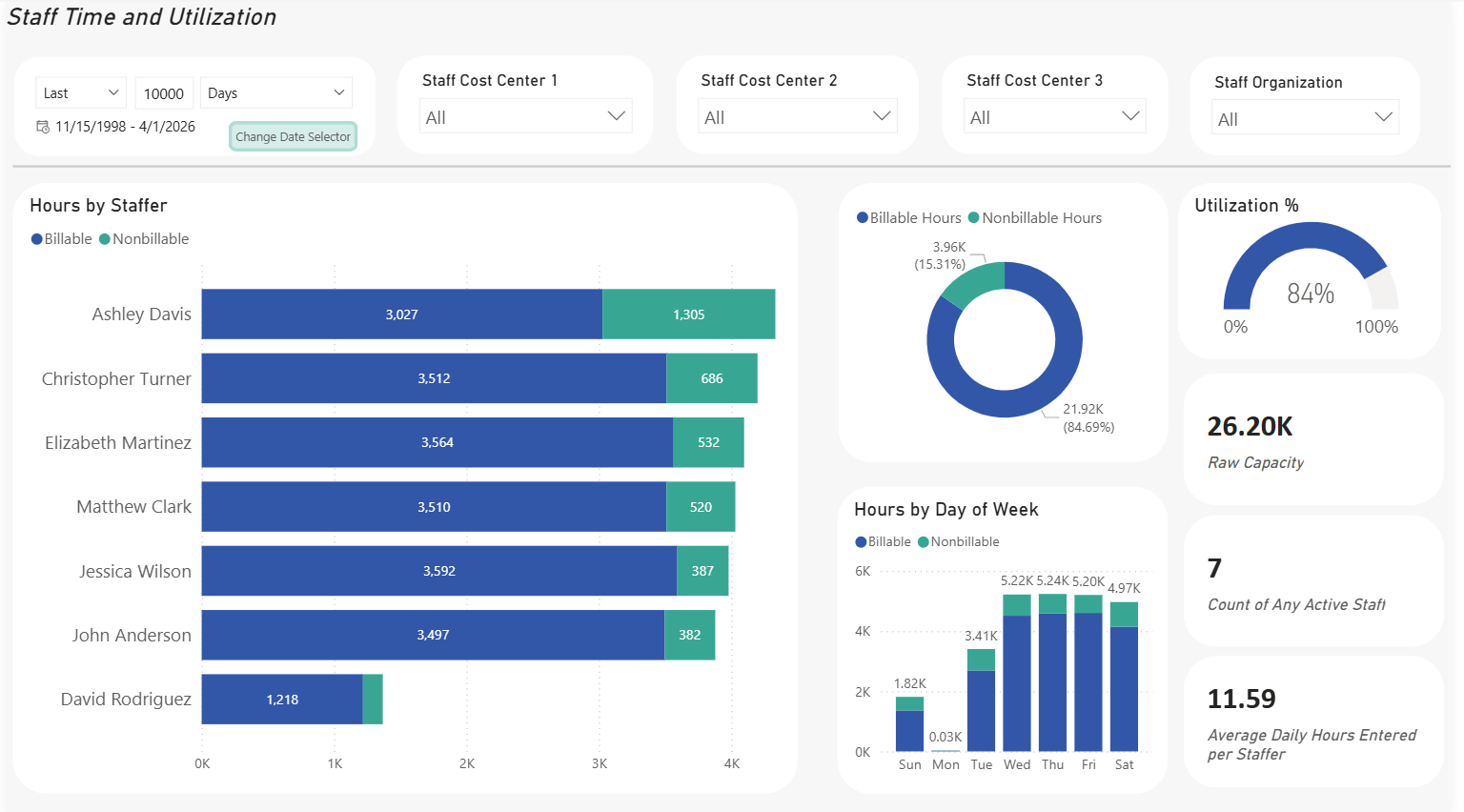
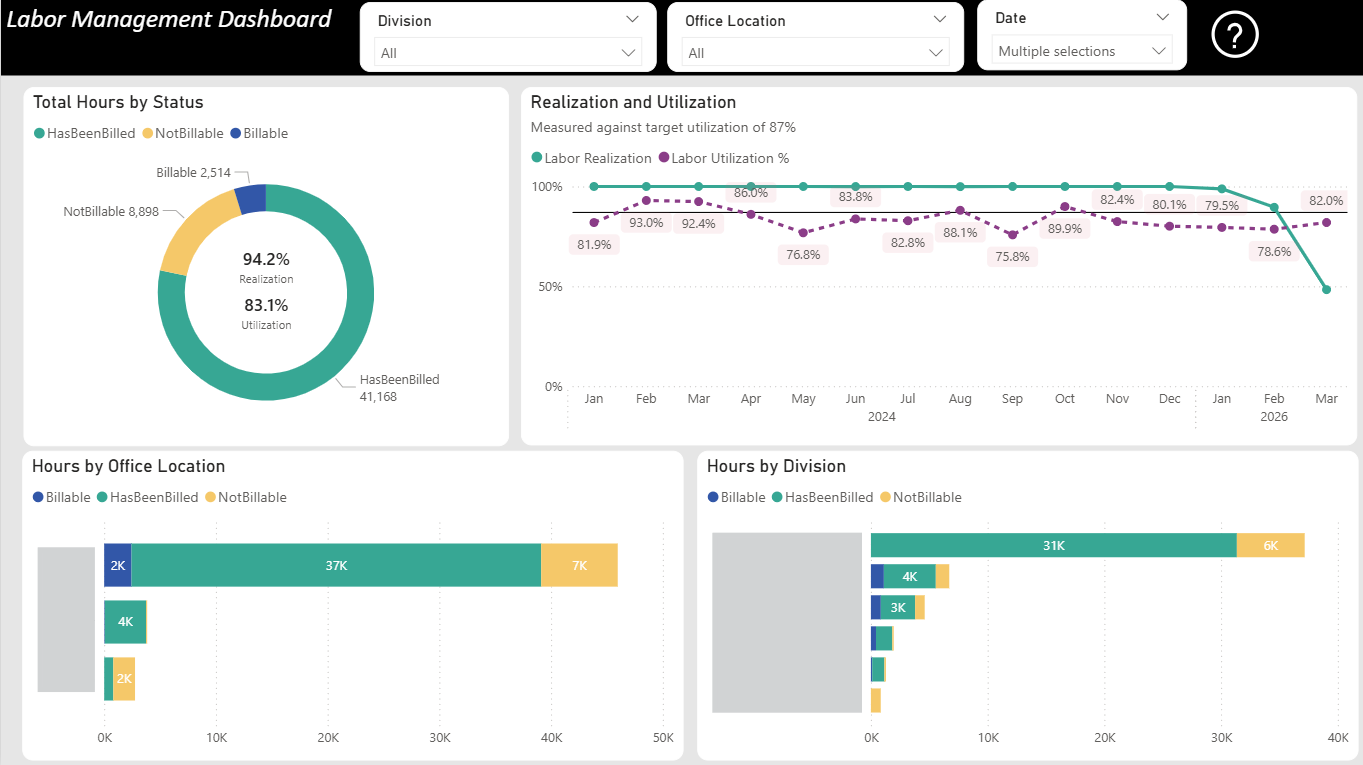
- Close the books faster. Automated reporting and consolidation cut your close cycle from weeks to days, freeing your finance team for higher-value work.
- Forecasts you can trust. Dynamic models that respond to real business conditions — not static spreadsheets that break when assumptions change.
- Board-ready at the click of a button. Multi-entity consolidation and variance analysis that produces the numbers leadership needs — without the manual assembly.
What teams keep running into
Your forecast lives in a spreadsheet only one person understands.
It started as a quick model and turned into the backbone of your planning process. Now that person is a single point of failure and the file is too fragile to scale.
Budget-vs-actual reports arrive weeks after close.
By the time leadership sees the numbers, the context is stale. Variance analysis is a manual exercise that eats up days of your finance team's time every month.
You're consolidating across entities and nothing ties out cleanly.
Different chart of accounts, different systems, different reporting calendars. Getting a consolidated view means hours of manual mapping — and the results still need footnotes.